
Reviewed · ALULA AND HEGRA TOURS
Hegra Tour: AlUla’s No.1 Haven For Nature, Wildlife Lovers
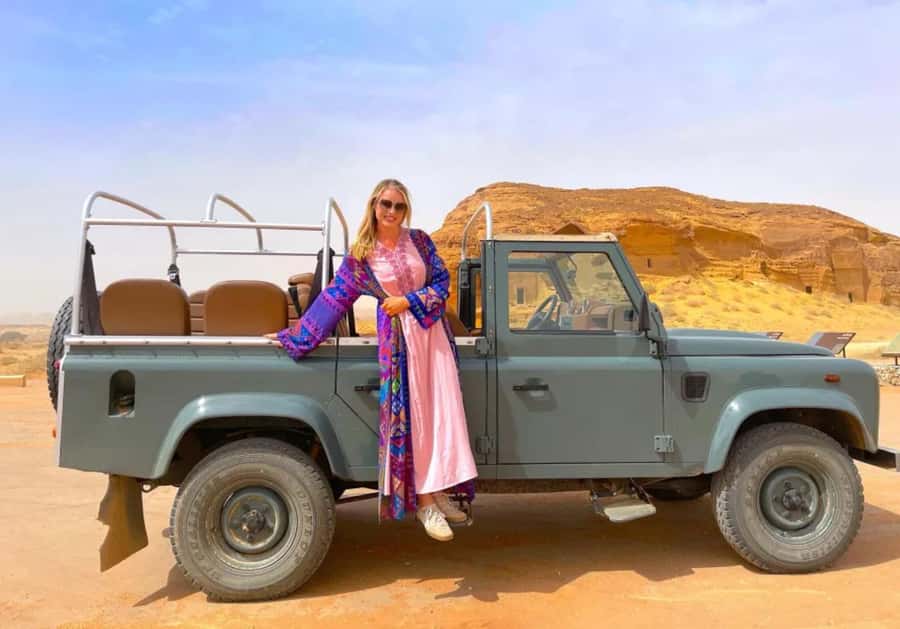
Hegra’s most surprising side is not its famous Nabataean tombs. It is the open desert reserve around them, where weathered rock, native plants, wildlife, and traces of human life meet. This two-hour safari-style trip uses an open-top 4×4 to reach parts of Hegra National Park that feel far removed from a standard heritage visit.
I like the small group of up to seven and the chance to watch animals in their natural habitat rather than simply ticking off monuments. I also like the focus on conservation, including the rehabilitation of wildlife and plant life. The main caution is value: at $99 per person, the tour feels expensive if your outing runs closer to 75 minutes or produces only a few animal sightings.
Key points to know before you go
- This is Hegra National Park, not the Nabataean tomb area: You will not enter or view the archaeological site.
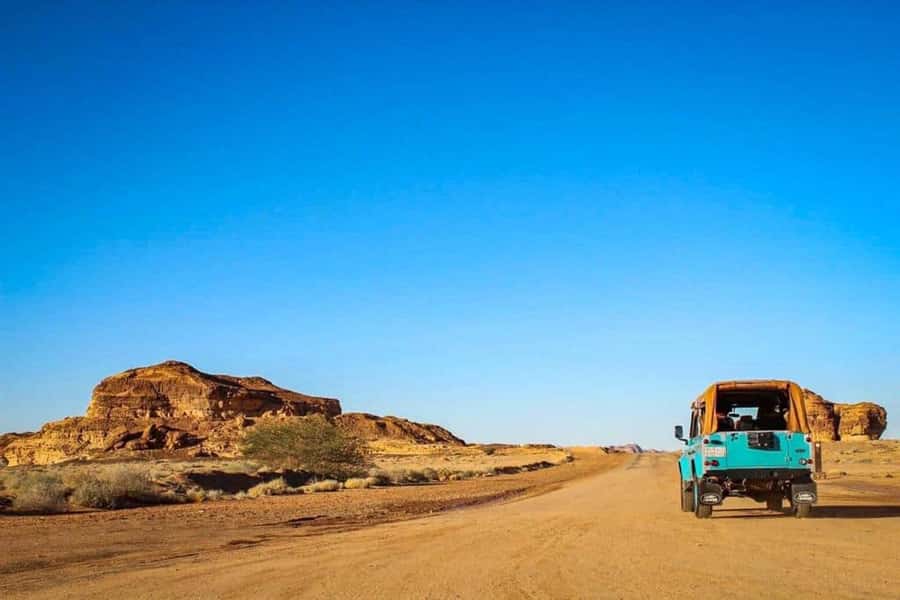
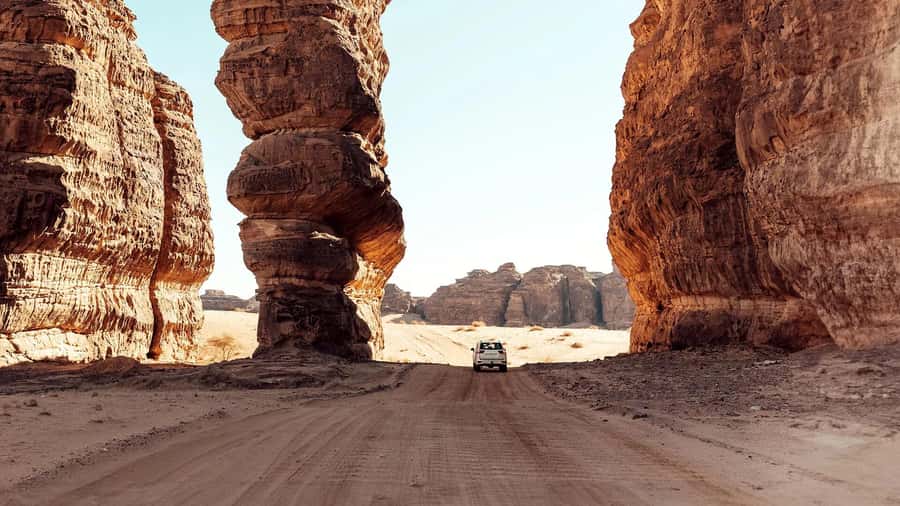
- The open-top 4×4 is the main attraction: It gives you a broad view of the rock formations and desert terrain.
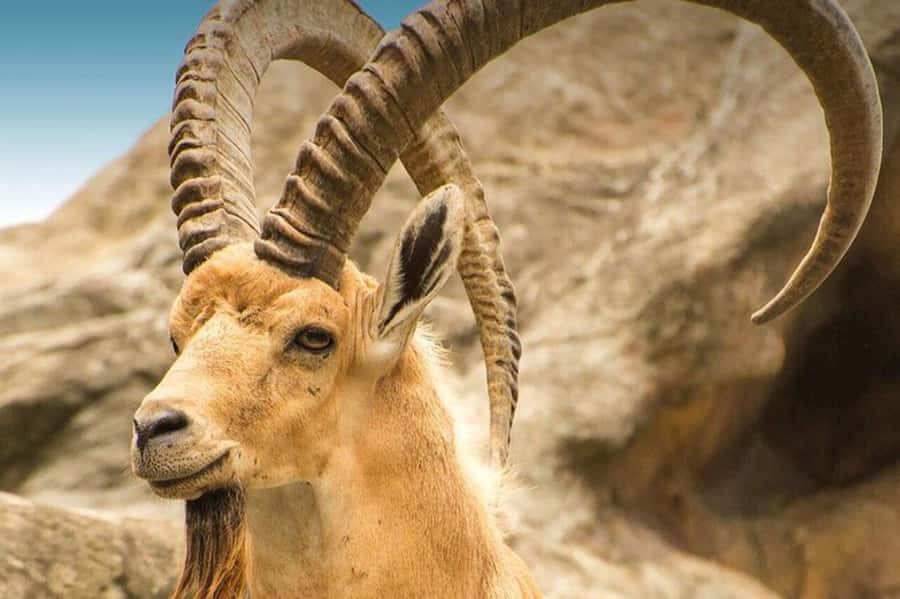
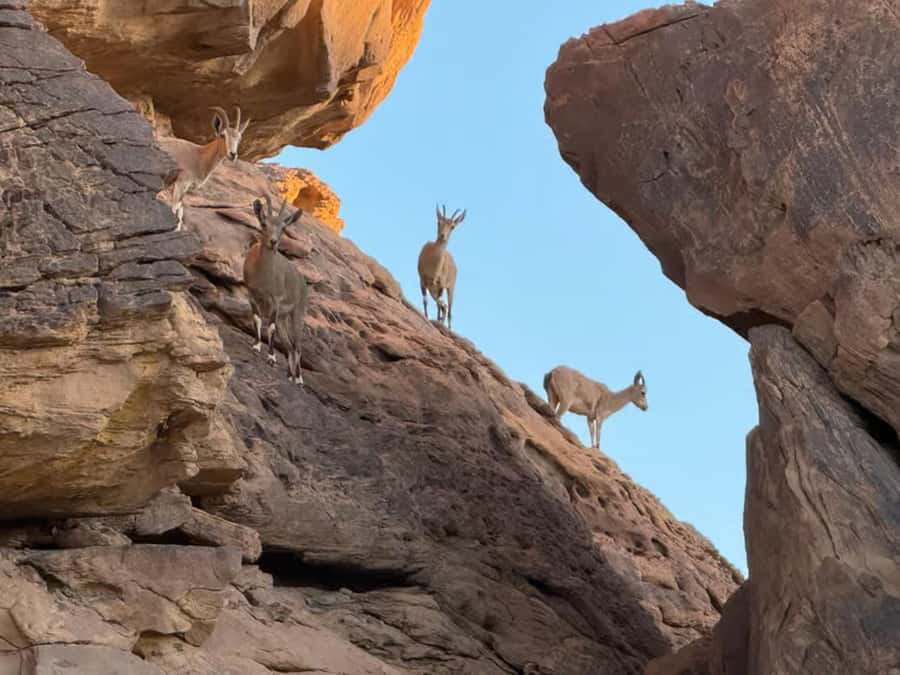
- Wildlife sightings are possible, not guaranteed: Deer and other reserve animals have been seen, especially during early morning outings.
- Rock art adds a human story: The tour links today’s natural setting with evidence of life from thousands of years ago.
- Small groups help: A maximum of seven people makes it easier to hear the guide and watch animals.
- Bring sun protection: Comfortable shoes, a hat, sunscreen, water, and a camera are sensible basics.
A different way to experience Hegra
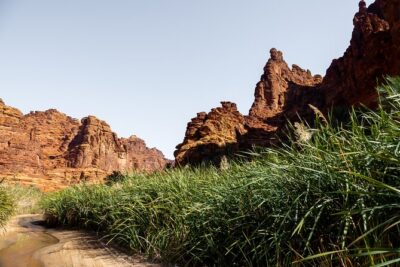
Many people come to Hegra for the Nabataean tombs carved into sandstone. This tour takes a different route, with the natural setting at the center. You ride through the national park in a shared open-top 4×4, looking at rock formations, native plants, wildlife, and signs of earlier human activity.
That change of focus matters. Hegra is not only a collection of grand façades. It is also a dry, carefully protected setting where animals and plants are being given space to recover. The tour helps you notice the quieter details, from the shape of the rocks to the small signs of plant life that can be easy to miss from a regular sightseeing vehicle.
The experience lasts two hours on paper and includes a live guide in English or Arabic. The small group limit of seven is useful here. Wildlife viewing works better when the vehicle is not crowded, and you should have a better chance of hearing explanations without competing with a large bus group.
Still, keep your expectations sensible. This is not a guaranteed animal safari, and it is not a substitute for Hegra’s archaeological tour. You are paying for a short, specialist outing in a protected area, not a full-day wildlife expedition.
More alula and hegra tours in AlUla:
- Visiting The Incredible Heritage Site Hegra in AlUla
★ 4.6 · 93 reviews - Hegra Al Ula: Sunrise Hot Air Balloon Flight
★ 4.6 · 43 reviews - Al Ula: Dadan and Jabal Ikmah Tombs Guided Tour
★ 4.2 · 26 reviews
Starting at the Hegra visitor meeting point
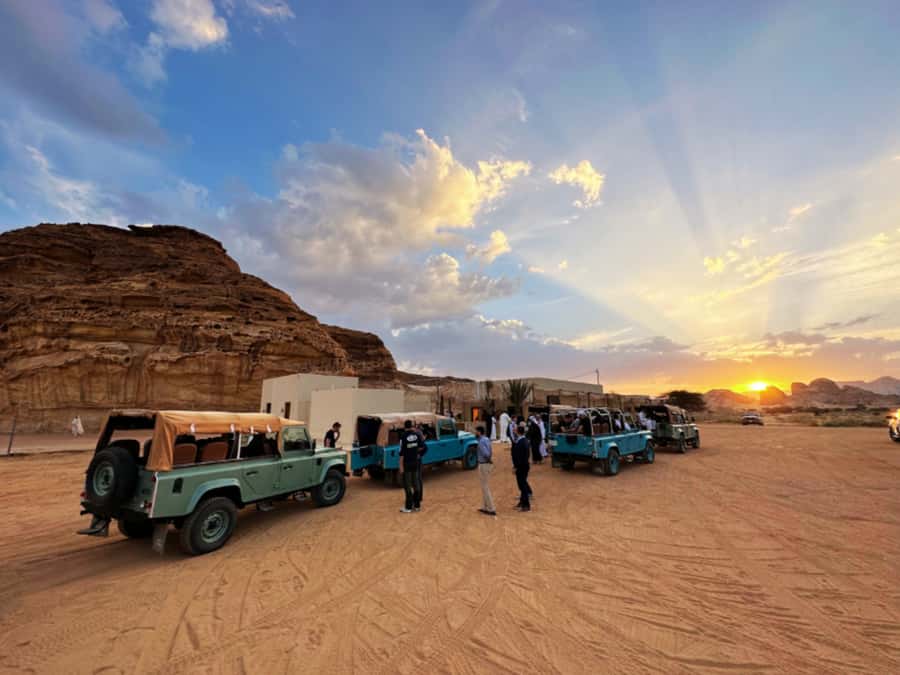
You begin at the designated visitor reception point, listed in Arabic as إستقبال الزوار. Arrive at least 15 minutes before your booked time. That cushion is worthwhile because the activity involves joining a shared vehicle and getting organized before departure.
Parking at the Hegra Visitor Centre is free, but hotel pickup and drop-off are not included. You need to arrange your own way to the meeting point and leave enough time for the drive across the AlUla area if you are staying elsewhere.
There is no meal included, so eat beforehand or plan food after the tour. The practical kit is simple: water, sunscreen, a hat, comfortable clothing, sturdy or comfortable shoes, and a camera. The open vehicle gives you a good view, but it also leaves you exposed to the sun.
Smoking is not allowed. Flash photography is also prohibited, and you must not litter or touch plants. Those rules are more than routine park etiquette. In a reserve working to restore wildlife and natural life, careless contact can damage exactly what the tour is meant to protect.
Riding through Hegra National Park
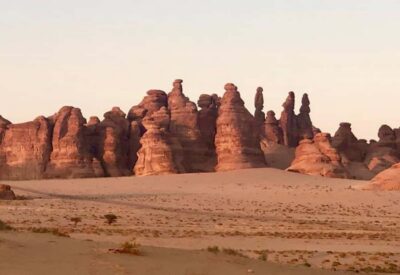
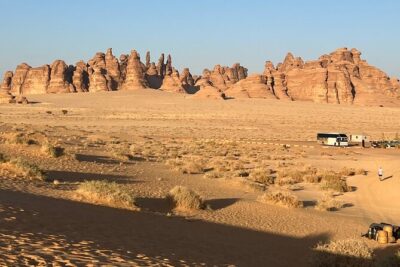
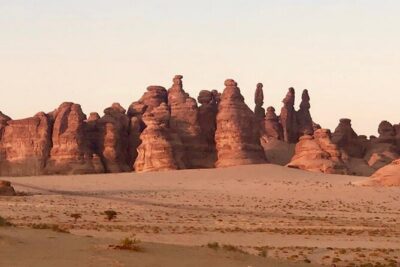
Once aboard the 4×4, the tour becomes a slow search for the character of Hegra. The vehicle carries you through unusual desert terrain, with large rock formations providing the main visual drama. These formations are not just a backdrop for photographs. Their shapes, colors, and worn surfaces help explain why this area has attracted both animals and people over long periods.
The open-top design is a good match for the setting. You can look upward at the rock walls, scan the ground for movement, and take photographs without viewing everything through a closed window. It also makes the heat more noticeable, so a hat and water are essential.
The ride is shared, with an English or Arabic guide providing commentary. The best version of this experience depends heavily on how much the guide explains. A strong guide can point out animals, help you recognize them, and connect the natural setting with the marks left by earlier communities.
One practical point is worth stressing: the tour does not promise a fixed number of animal sightings. You may see deer or other wildlife, and one early dawn outing recorded sightings of all the reserve’s deer species visible that morning. Another outing described seeing animals in the early light. Those are encouraging signs, but they should not be treated as a guarantee for every departure.
Watching wildlife in a protected setting
Wildlife is the reason many people will choose this tour. The reserve provides a chance to observe animals in their natural habitat rather than in a conventional enclosure. The exact sightings will depend on timing and conditions, but deer are specifically associated with the experience.
Early morning may be the most appealing time for photographers and animal watchers. The softer light can make the sandstone look less harsh, and animals may be easier to spot before the day becomes intensely hot. The available starting times vary, so check the schedule when booking rather than assuming every departure is at dawn.
Keep your camera ready, but use it with restraint. Flash photography is forbidden, and you should avoid making sudden movements or trying to draw animals closer. The point is observation, not interaction.
The conservation side gives the visit added meaning. Hegra’s natural life is being rehabilitated, and the tour introduces you to that work while showing native plant species and wildlife. You will not receive a full scientific field course in two hours, but you can come away with a clearer sense that this is a living reserve, not an empty stretch of sand between monuments.
That said, wildlife tours always carry an element of chance. If you need constant action, this may feel slow. If you enjoy patient watching and unusual desert scenery, the pauses are part of the experience.
Same desert, a completely different kind of day:
- AlUla: Discover AlUla Like a Local Guided Tour
★ 5.0 · 25 reviews - From AlUla: Hegra Tour
★ 3.9 · 25 reviews - Alula Full Day Tour
★ 4.5 · 22 reviews - Half day Hegra Experience
★ 3.5 · 15 reviews
Reading rock art and traces of human life
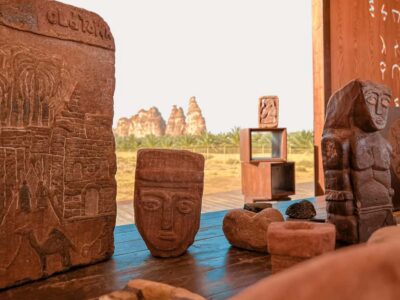
The tour also includes a human story, told through rock art and evidence of life dating back thousands of years. This is an important distinction from visiting the Nabataean tombs. Instead of focusing on carved burial façades, you are looking at smaller, less obvious signs of how people used and understood the area.
Rock art can be easy to miss without guidance. A trained eye helps you see marks and images that blend into the stone. The guide’s explanations are therefore central, especially for anyone who wants more than a scenic drive.
The supplied information does not name individual guides, so you cannot request a particular person. The tour is guided in English or Arabic, and the group size should allow you to ask questions if time permits.
The quality of interpretation may vary. One outing was praised for a guide who explained the reserve well and helped visitors recognize animals, while another visitor wanted more history and more images of old places and writing. That gives you a useful expectation: the natural side is the main focus, and the archaeological background may be brief.
If your priority is detailed Nabataean history, carved tomb architecture, or inscriptions, choose a separate archaeological visit. This outing works better as a companion to Hegra’s heritage attractions, not as a replacement for them.
What the two-hour schedule really gives you
The advertised duration is two hours, including the guided visit and transport within Hegra. That is enough time for a focused introduction to the reserve, but not enough for an expansive safari across every corner of the park.
You can expect a sequence of vehicle stops or slow passes where the guide points out rock formations, plants, animals, and cultural traces. The exact order is not specified, and wildlife sightings will shape the pace. If an animal appears, the vehicle may pause longer or return to the spot.
That flexibility can work in your favor. One outing extended to about 75 minutes because the driver returned to an animal near the end, although the visitor still felt the tour was too short. This is the clearest warning about booking: confirm the expected duration at the start and ask the guide if the tour is running short.
The experience is best treated as a compact nature outing. It is not a full day in the park, and it does not combine naturally with meals or hotel transfers. You will need to plan the rest of your Hegra visit separately.
Is $99 per person fair value?
At $99 per person, this is a premium two-hour activity. The price includes transport within Hegra, a shared professional guide, wildlife viewing, access to the reserve’s terrain, and free parking at the visitor centre. A group limit of seven adds real value because the vehicle should feel more personal than a large coach.
I think the price makes the most sense for you if wildlife, conservation, and photography are high on your list. Seeing deer in the early light, learning to identify animals, and moving through the reserve in an open vehicle can justify the cost for the right audience.
The calculation changes if you mainly want dramatic ruins. The archaeological site and tombs are not included, so you would need another ticket or tour for that. You also receive no food, hotel transportation, or private vehicle.
The short duration creates the biggest value question. A full two-hour outing gives you a reasonable introduction. A trip of only about 75 minutes feels much less satisfying at this price, especially if animal sightings are limited and the commentary is brief.
The booking terms reduce some risk. You can cancel up to 24 hours before the activity for a full refund, and the reserve-now, pay-later option lets you keep your plans flexible. Those policies do not change the price, but they are helpful if your AlUla schedule is still taking shape.
Who should book this Hegra safari?
I would choose this tour if you want to see Hegra beyond the famous tombs. It suits nature lovers, photographers, visitors interested in ecotourism, and anyone who enjoys a short ride with a chance of spotting deer and other reserve wildlife.
It also works well as a second Hegra activity. Pair it with an archaeological visit if you want both sides of the area: monumental Nabataean heritage and protected desert nature. Do not book it expecting access to tombs, inscriptions, or a long historical lecture.
Families need to note the age rule. Children under six are not suitable for this activity. It is also not suitable for pregnant women, people with mobility impairments, or wheelchair users.
The ride demands basic outdoor comfort. You will be in an open-top vehicle, exposed to sun and possibly rough ground, so light, comfortable clothing and proper shoes matter. Bring your own water because refreshments are not included.
How to get the most from the visit
Choose an early starting time if one fits your schedule and your main goal is wildlife photography. Morning light was specifically associated with successful animal viewing, and it can make the heat easier to manage.
Ask the guide to point out native plants as well as animals. Visitors often focus on deer and overlook the plant life that supports the reserve. The activity includes viewing a variety of native species, so it is worth giving that part your attention.
Use your camera without flash, and keep your hands away from plants and sensitive areas. The best photographs will come from patience, not from trying to force an animal into view.
Finally, keep the two parts of Hegra separate in your mind. This is a nature and wildlife tour in Hegra National Park. It does not include access to the UNESCO-listed archaeological site or its Nabataean tombs, even though the broader Hegra area is famous for them.
Should you book it?
Book this tour if you want a small-group 4×4 ride centered on wildlife, rock formations, native plants, and conservation. The strongest reasons are the open-top vehicle, the maximum of seven participants, and the chance to see deer in a protected reserve, especially in early morning light.
Skip it if your main aim is the tombs, if you need a detailed archaeological tour, or if $99 feels high for a short and unpredictable wildlife outing. Before departure, confirm the two-hour schedule and ask how much time will be spent on nature viewing and rock art.
For the right visitor, this is a useful way to see Hegra as a living place rather than only a monument site. Just book it for the reserve, not for the tombs.
FAQ
Does this tour visit Hegra’s archaeological site and tombs?
No. The tour visits Hegra National Park and does not include access to or viewing of the archaeological site or tombs.
How long does the Hegra nature tour last?
The stated duration is two hours. Starting times vary, so check availability when booking.
What languages are available?
The live tour guide speaks English or Arabic.
How many people are in each group?
The activity is a small-group tour limited to seven participants.
Is hotel pickup included?
No. Hotel pickup and drop-off are not included. Free parking is available at the Hegra Visitor Centre.
What should I bring?
Bring comfortable shoes, a hat, sunscreen, water, and a camera. Smoking, flash photography, littering, and touching plants are not allowed.
Just added around AlUla
- Journey Through Time Hike★ 4.0 · 5 reviews
- Elephant Rock Tour in AlUla★ 3.5 · 7 reviews
- Coffee and Tea Party in Aljadidah★ 3.5 · 3 reviews
- AlUla City Tour with 5 Attractions★ 5.0 · 8 reviews
- AlUla Old Town Experience★ 5.0 · 6 reviews
- Oasis Adventure in Alula★ 4.2 · 6 reviews
- AlUla: Sharaan Nature Reserve★ 5.0 · 4 reviews
- Al-Ula: Dadan & Jabal Ikmah Tour with Optional Pickup★ 3.8 · 4 reviews
AlUla and Hegra Tours, compared.
Visiting The Incredible Heritage Site Hegra in AlUla
Read our review →
Browse the lists this tour appears in