
Reviewed · RIJAL ALMAA AND ABHA TOURS
Highlights City Tour & Rijal Almaa
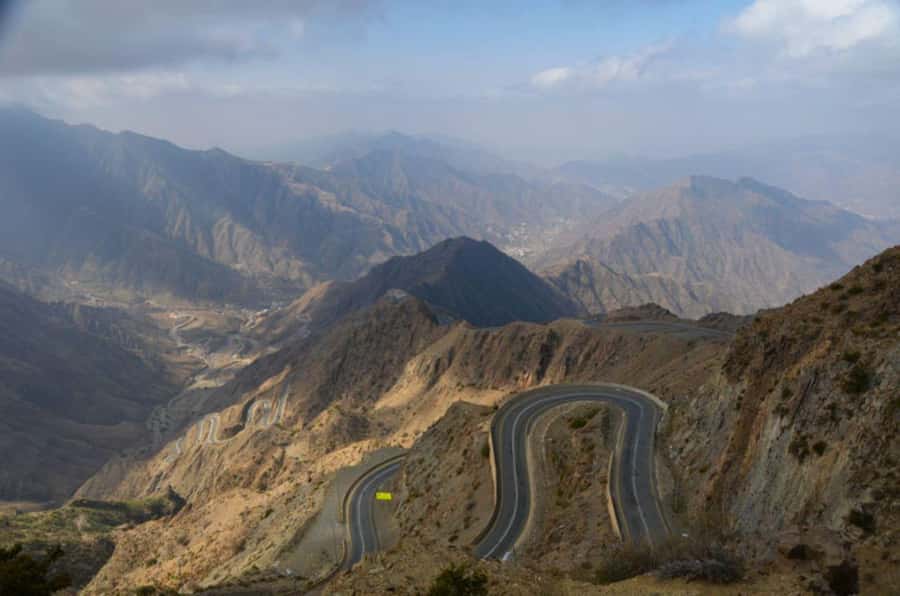
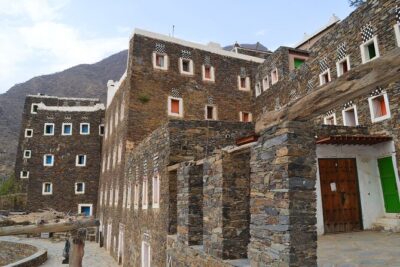
Jabal Sawda gives this six-hour outing its real punch: at about 3,000 meters above sea level, you get cool air, misty valleys, green trees, and a sharp change from city sightseeing. Then the road leads to Rijal Almaa, where colorful stone houses and a village museum show a more traditional side of Aseer.
I like the small group of no more than five and the flexible guide service. I also like the way the tour joins mountain scenery with local culture instead of giving you only one or the other. The main caution is price: at $350 per person, it offers good value for a private-style day, but a solo visitor may find it expensive, especially if the main goal is only Rijal Almaa.
Key points at a glance
- Jabal Sawda reaches roughly 3,000 meters, with cool weather, mist, trees, and wide views.
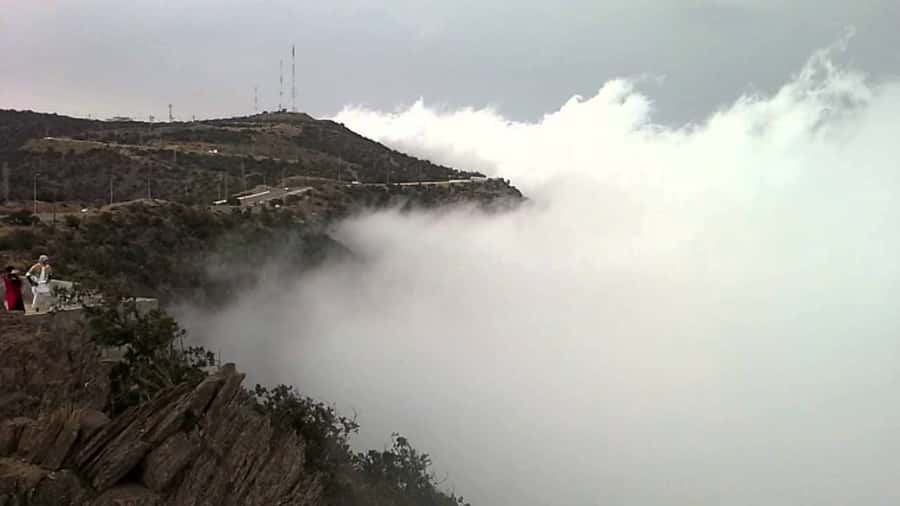
- El Sahab Park sits above the clouds, with two nearby viewpoints and monkeys around the lookout areas.
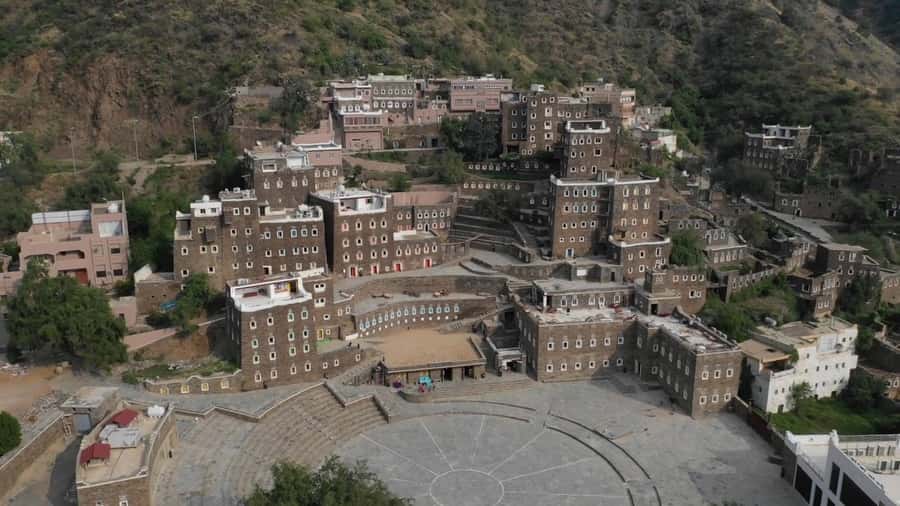
- Rijal Almaa is the cultural centerpiece, known for colorful traditional houses and a village museum.
- The safer road to Rijal Almaa takes about 130 kilometers from Abha, rather than the shorter 65-kilometer road described as unsafe.
- A cable-car ride is optional and costs extra, taking about 20 to 25 minutes each way.
- The guide can adjust the day, including start time, short walks, food stops, and added sights when time allows.
Why this Abha mountain tour works
Aseer Province is one of Saudi Arabia’s most different regions. Around Abha, high mountains, cloud, rain, and thick plant growth replace the dry scenes many people expect from Saudi Arabia. This tour lets you see that contrast in a single half-day.
The route is especially useful if you want an overview without arranging several separate rides. You begin with the high mountain setting of Jabal Sawda, continue to cloud-level El Sahab Park, and finish among the old buildings of Rijal Almaa. That sequence gives the day a natural rhythm: mountain air first, viewpoints next, then a village with a strong sense of place.
Your driver-guide meets you at your Abha hotel, holding a sign with your name. That simple arrangement matters in a city you may not know well. You do not need to search for a vehicle or work out a pickup point. The driver also explains what you are seeing along the way, with Arabic and English available.
The group size is limited to five people. In practice, that gives you a better chance to ask for photo stops or adjust the pace than you would on a large coach tour. The experience is described as flexible, and one guest had the start time changed to match an arriving flight. The same guest also added a short trek from the peak and an archaeological village visit. Those details suggest you should speak up early if you want walking time or an extra stop.
More rijal almaa and abha tours in Saudi Arabia:
- Historical & Heritage Tour in Abha- Rijal Almaa Village
★ 5.0 · 22 reviews - Hike Trip In Abha Wadi Lajab – Heaven In The Desert
★ 5.0 · 11 reviews - Abha City and AlHabala Full-Day Tour
★ 5.0 · 9 reviews
Reaching Jabal Sawda at 3,000 meters
Jabal Sawda is the dramatic opening stop. At around 3,000 meters above sea level, it is presented as the highest point in Saudi Arabia. The appeal is not simply the number. The height brings a cooler climate, misty mountain views, valleys, and green trees and shrubs.
You may find the air damp and chilly, especially in rainy weather. Bring a proper jacket, and consider a blanket if you tend to get cold. The supplied tour advice is clear on this point: the mountain can be really cold. Abha may feel mild when you leave the hotel, but Jabal Sawda is a different setting.
The trees and shrubs add an unexpected softness to the high slopes. Mist can cover parts of the view, then shift and reveal the valleys. You should not treat this as a guaranteed clear-day panorama. The weather is part of the appeal, but it also means the views can change quickly.
A short walk from the peak may be possible if you arrange it with your guide. The exact walking distance is not specified, so this is not a hiking tour in the formal sense. Think of it as a sightseeing stop with the option for a brief trek, not a full mountain expedition.
For me, this is where the tour delivers its best sense of place. You are not simply looking at a viewpoint. You are feeling the temperature change, watching clouds move through the mountains, and seeing why Aseer has a climate unlike much of the country.
Taking the cable car from the mountain
A cable-car ride is available for an extra ticket. Each car can seat about eight adults comfortably, and the ride takes roughly 20 to 25 minutes downhill, followed by a similar time to return to the top.
That timing matters. A round trip could use close to an hour of your six-hour outing, before you count queues or time at the station. If you want the ride, tell your guide early so the schedule can allow for it. If you prefer more time at Rijal Almaa, you may choose to stay at the mountain viewpoints instead.
The ride gives you a different way to see Abha from above. It is a good choice if you enjoy heights, changing views, and a little motion in the middle of a sightseeing day. It is less useful if you are trying to keep the day tightly focused on the village and museum.
The cable car is not included in the advertised tour price. The general package includes entrance fees, but the cable-car ticket is specifically listed as extra. Confirm the current cost before committing, since the supplied information does not give a figure.
Walking among the clouds at El Sahab Park
El Sahab means cloud, and El Sahab Park earns the name. The park is high on a mountain, with clouds passing through the area. You may get the unusual sensation of walking beside or into mist rather than looking up at it from below.
There are two top viewpoints on the hill, close to one another. That makes this an easy stop to fit into the route. You can move between the overlooks without giving up much time, and your guide can point out the better angles for photographs.
Monkeys are common around the viewpoints. The tour information advises bringing food for them because they expect visitors to feed them. I would treat that as a warning rather than a duty. Keep food secure, follow local guidance, and do not assume every animal interaction will be calm. The important point is that you should not leave snacks loose in your bag or car.
El Sahab is more about atmosphere than a formal attraction. There is no promise of a long walking route or a large set of facilities. You come for clouds, mountain air, views, and photographs. On a clear day, the outlook may be broad. In wet or misty weather, the cloud itself becomes the main sight.
This stop also helps break up the drive. After the exposed height of Jabal Sawda, El Sahab gives you another high viewpoint with a different mood. The two places are related, but they do not feel identical.
A few more Saudi Arabia trips to weigh up
- Al Madinah: City Sightseeing Hop-On Hop-Off Bus Tour
★ 3.9 · 148 reviews - City Sightseeing Al Madinah Hop-On Hop-Off Bus Tour
★ 3.0 · 50 reviews - Jeddah: Al-Balad Old Town Historical City Guided Tour
★ 5.0 · 47 reviews - Riyadh Full City Tour
★ 5.0 · 22 reviews
The road to Rijal Almaa
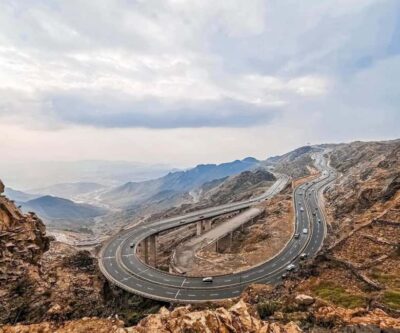
The drive to Rijal Almaa is part of the experience. The village lies about 130 kilometers from Abha by the safer road. A shorter route of about 65 kilometers is described as unsafe, so this tour uses the longer road.
That choice adds time, but it is the sensible one. You are paying for a planned excursion, not a race to the destination. One guest described driving across two valleys on winding mountain roads, with chances to stop for food and scenery. You should expect bends and changing mountain views, not a straight highway transfer.
Because the tour lasts six hours, the road time affects how long you have at each stop. Your guide can explain the timing on the day, but you should not expect a long, slow visit at every location. If Rijal Almaa is your main reason for booking, ask how much time you will have in the village before departure.
The route also explains why this is better suited to a small group than a rigid bus excursion. A driver-guide can respond to weather, road conditions, and your interests. One guest praised a host named Nasser for explaining the area and stopping when there was something worth seeing. Guide quality may vary, but the format allows for this personal approach.
Rijal Almaa and its colorful houses
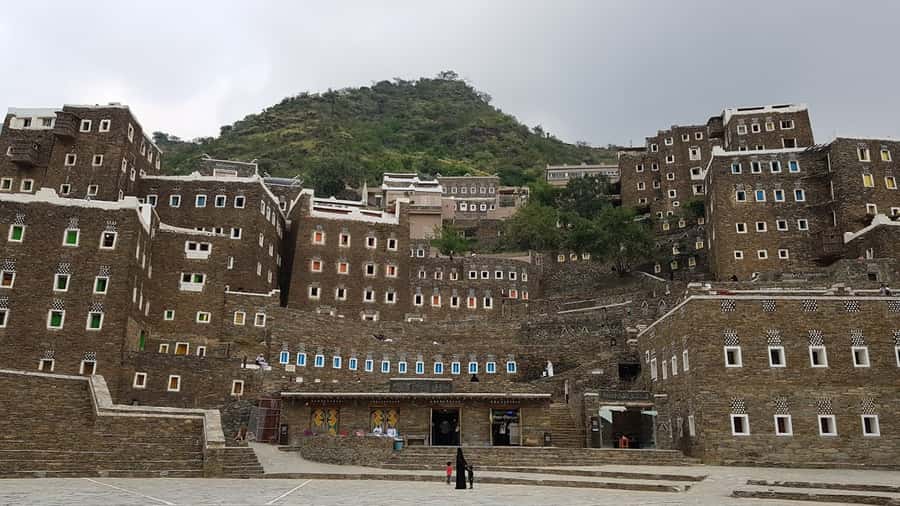
Rijal Almaa is the cultural heart of the tour. The village is known for its traditional Arabian architecture, with each region of Saudi Arabia adding its own building style. Here, the most recognizable image is a group of tall, colorful houses set among dramatic mountain scenery.
The buildings are the reason to bring your camera, but do not reduce the visit to a photo stop. The village reflects the local identity of Aseer and its older ways of building and living. The exceptional character of the place has placed Rijal Almaa on Saudi Arabia’s tentative list for UNESCO World Heritage status.
Your guide takes you to panoramic points for photographs. This is useful because the best view is not always obvious when you first arrive. The village works from several angles: close up, the walls and details matter; from above or farther away, the relationship between the houses and the mountains becomes clear.
The tour description says the village is clearly oriented toward tourism. That means you should find a defined place to visit rather than an unstructured walk through an ordinary residential area. It also means the stop may feel more arranged than remote. I see that as a fair trade on a short tour, especially if you want context without managing the route yourself.
The 130-kilometer approach makes this stop less suitable for anyone looking for a quick side trip from Abha. The village may be only about 30 minutes away by car according to one booking experience, but the supplied route information specifically identifies the safe road as 130 kilometers. Ask your guide to clarify the day’s route and timing, particularly if you are considering a shorter village-only option.
Inside the village museum
The village museum is housed within Rijal Almaa and occupies a large part of the village. It contains old objects and displays, with descriptions in both English and Arabic.
That bilingual information makes the museum more useful if you do not speak Arabic. You can look at the objects, then read enough background to understand their place in regional life. The museum was established through local efforts to preserve Aseer’s heritage, which gives the stop a direct connection to the community.
Do not expect a polished national museum with a huge range of modern displays. The value here is the setting and the local focus. You see heritage objects inside the very village whose architecture gives the visit its meaning.
If you have a strong interest in history, ask your guide to give you extra time inside. If you mainly want photographs, plan your museum visit before the best light changes or the group needs to return to Abha. Six hours goes quickly once you add mountain stops and the long road.
How the $350 price measures up
The price is $350 per person. That is a serious amount for six hours, but the value depends heavily on your group size and priorities.
For a couple or a small private-style group, the price covers hotel transfers from Abha, a modern air-conditioned van, an English-speaking driver-guide, entrance fees, taxes, and service charges. It also buys flexibility. You are not simply paying for transport. You are paying for someone to manage the mountain roads, explain the sights, and adjust the day where possible.
For one person, the cost can feel high. One solo booking required payment for two people, making the outing particularly expensive. If you are alone and only want Rijal Almaa, a village-only tour may be better value if one is available.
The price also makes more sense if you want all three major stops: Jabal Sawda, El Sahab Park, and Rijal Almaa. If you would skip the cable car, spend little time at viewpoints, or already have transport, the package becomes harder to justify.
The strongest value comes from the combination of scenery and planning. A safe route, hotel pickup, a small vehicle, and a guide who can make stops are useful in a mountainous area. Still, I would ask for the expected time at Rijal Almaa before booking, since the long road can take a large share of the day.
Who should book this outing
I would choose this tour if you have limited time in Abha and want a broad introduction to Aseer. It suits you if mountain weather, viewpoints, local architecture, and a flexible guide all sound worthwhile.
It is also a good match for photographers. You get mist, valleys, green mountain growth, colorful houses, and several panoramic points. The guide can take you to useful photo locations rather than leaving you to guess where to stand.
Families or small groups may appreciate the air-conditioned van and hotel pickup. The limited group size also makes it easier to manage preferences. You should still prepare for winding roads, cold weather at Jabal Sawda, and a full schedule.
I would think twice if your only aim is Rijal Almaa. The long safe route, the six-hour limit, and the $350 price may give you less village time than expected. I would also compare the cost carefully if you are traveling alone.
Free cancellation up to 24 hours before the tour and reserve-now, pay-later booking make the commitment easier, but they do not change the main value question: do you want a complete mountain-and-village day, or just one cultural stop?
My verdict on the Abha highlights tour
Book it if you want the full Aseer picture in one organized outing. Jabal Sawda and El Sahab Park provide the scenery, while Rijal Almaa gives the day its cultural weight. The best parts are the cool mountain climate, moving cloud, old village buildings, and the chance to shape the pace with your guide.
Before paying, confirm three things: how much time you will have in Rijal Almaa, whether the cable car is running, and how the $350 cost applies to your party size. Pack a warm layer, keep food secured around the monkeys, and allow for winding roads.
For a couple or small group, this is a strong choice for a first look at Abha’s mountain region. For a solo visitor or someone focused only on Rijal Almaa, seek a cheaper, shorter alternative.
FAQ
Where does the tour take place?
The tour operates in Aseer Province, Saudi Arabia, with transfers from your hotel in Abha.
How long does the experience last?
The tour duration is six hours.
What places are included?
The main stops are Jabal Sawda, El Sahab Park, and Rijal Almaa village.
How high is Jabal Sawda?
Jabal Sawda is described as being about 3,000 meters above sea level and the highest point in Saudi Arabia.
Is the cable-car ride included?
No. The cable-car ride requires an extra ticket.
How long does the cable-car ride take?
The cable car takes about 20 to 25 minutes downhill, with a similar amount of time for the return trip.
How many people can join the tour?
It is a small-group tour limited to five participants.
What languages does the guide speak?
The driver-guide speaks Arabic and English.
Is transportation included?
Yes. Transfers from your Abha hotel are provided in a modern, air-conditioned van.
Can the tour be canceled for a full refund?
Yes. You can cancel up to 24 hours in advance for a full refund.
Just added around Saudi Arabia
- Discover Taif City★ 5.0 · 4 reviews
- Wadi Al Disah Tour★ 4.1 · 5 reviews
- Sawda Mountains Hiking Trail★ 5.0 · 4 reviews
- Kiswah Factory Tour From Makkah (Mecca)★ 4.0 · 5 reviews
- Makkah Holy Places / Ziyarat: Private★ 4.0 · 9 reviews
- Horse Riding Experience in Riyadh | Tanomah | Jeddah | Al Ula★ 4.0 · 5 reviews
- All Ground transfers Saudi Arabia, Jeddah to Makkah Makkah to Medina to Airport★ 4.5 · 8 reviews
- Experience the life of the Prophet in Makkah★ 4.5 · 8 reviews
Rijal Almaa and Abha Tours, compared.
Historical & Heritage Tour in Abha- Rijal Almaa Village
Read our review →Hike Trip In Abha Wadi Lajab – Heaven In The Desert
Read our review →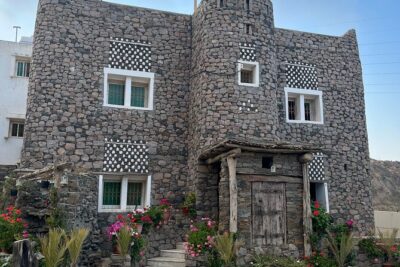
Browse the lists this tour appears in