
Reviewed · HISTORICAL TOURS
Madina: Guided Tour of the City’s Historical Sights
Madinah’s story is spread across the city, from the slopes of Mount Uhud to the Seven Mosques and the quiet wells linked with the Prophet Muhammad (SAW). This guided tour brings those places together in one private vehicle outing, with guide Uzair explaining the religious and historical meaning behind each stop.
I like the way the tour combines the major battle sites with smaller places such as Beer Ghars and the Salman Farsi Well and Farm. I also like the practical care built into the experience: Uzair is praised for clear English, safe driving, refreshments, and patience with older parents. The main consideration is pace. There are many stops, and some sites are viewed from outside or may offer limited facilities, so you should bring water, sun protection, and comfortable shoes.
Key points at a glance
- A private group price of $99 covers up to four people, making the cost attractive for a family or small party.
- Uzair leads the tour in several languages, including English, Arabic, Hindi, Punjabi, and Urdu.
- Uhud and Khandaq receive proper attention, with graves, mountains, mosques, and battlefield landmarks included.
- Quba Mosque is a spiritual highlight, with time to pray two Nafil, described as equal to one Umrah in the tour information.
- The itinerary reaches beyond the main mosques, including Beer Ghars, Beer Al Khatm, and the Salman Farsi Well and Farm.
- Women and non-Muslim visitors need to follow local dress and conduct rules, and the tour is not suitable for pregnant women or people over 70.
Why this Madinah tour is useful
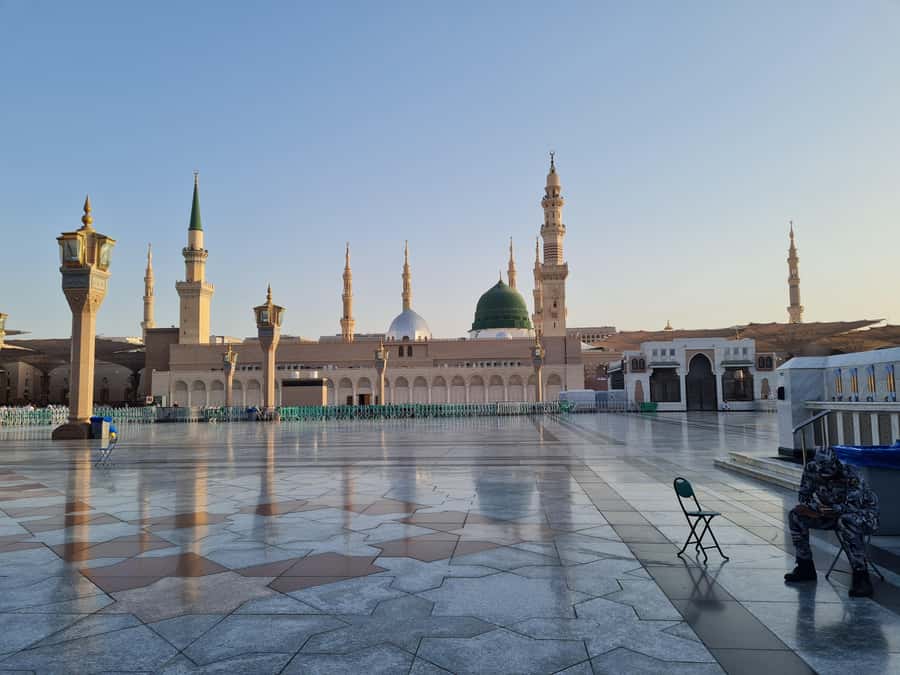
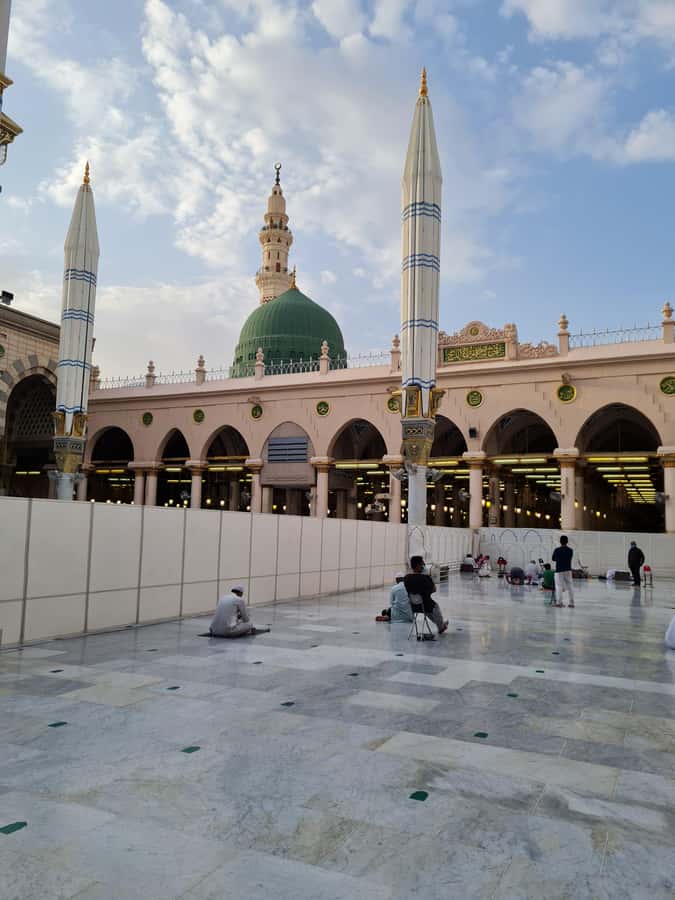
Madinah is not a city you understand from one mosque visit. The central Masjid Nabawi is the heart of the city, but many important places connected with early Islam sit across different districts. If you have only a short stay, arranging transport and working out the sites on your own can take time you would rather spend in prayer and reflection.
This tour gives you a broad introduction in one organized outing. You pass by Masjid Nabawi, then travel to mosques, battle sites, wells, and historic homes. The value is not only in getting from place to place. It is in having someone explain why each location matters and help you connect the places into one account of Madinah.
The price is $99 for a group of up to four, not per person. For four people, that works out to less than $25 each before any optional costs. For one or two people, the per-person figure is higher, but the private format gives you more personal attention than a large coach tour. It also suits families who want one vehicle and a guide who can adjust explanations and stop times to the group.
No tour duration is provided, so ask about the expected start and finish time before booking. The number of stops makes this a substantial outing rather than a quick city drive.
A few more Medina trips to weigh up
- Madinah Culture & History Tour – Led by Local Guide
★ 5.0 · 74 reviews - Prophet’s Mosque Walking Tour with Historic Hejaz Railway
★ 4.7 · 4 reviews - Red Sand Adventure 4×4 (Camel Ride ,Quad Biking, Heritage House)
★ 5.0 · 135 reviews
Starting near Masjid Nabawi and Masjid Imam Bukhari
The route begins with Masjid Imam Bukhari, a mosque connected with an important Islamic scholarly tradition. This is a useful first stop because it places Madinah’s religious story in a wider setting before the tour moves into the battle sites.
You also pass by Al Masjid an Nabawi, the grand mosque that defines Madinah. The description does not promise an arranged entry or guided visit inside, so treat this part as an orientation stop rather than a formal mosque tour. If you plan to pray there, organize that separately around your own schedule.
Uzair’s role matters here. Several parts of the day depend on explanation rather than sightseeing alone, and his English is described as fluent and easy to follow. Arabic, Hindi, Punjabi, and Urdu are also available, which can be especially helpful when several members of your group prefer different languages.
Reading the story of Uhud at Mount Uhud
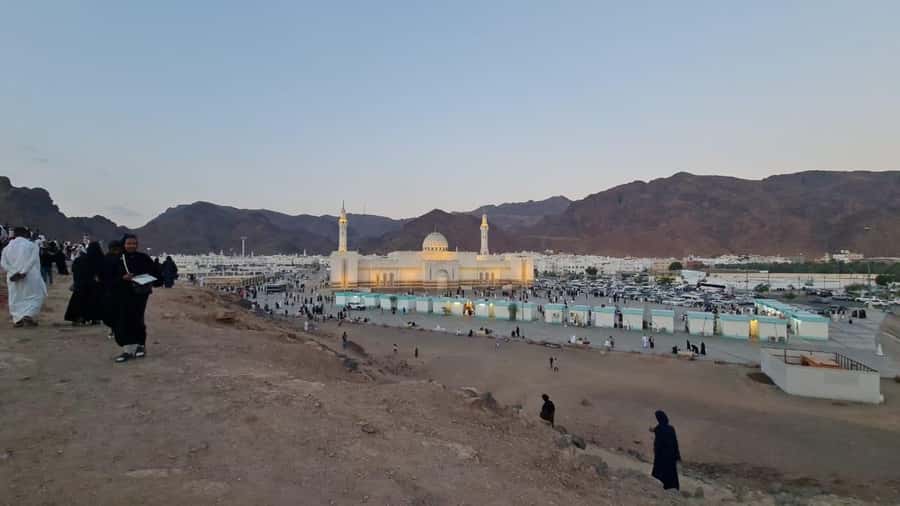
The Uhud section is one of the strongest parts of the route. You visit the area associated with the Battle of Uhud and see the graves of Hazrat Ameer Hamza, Musab Bin Umair, and other Shuhada. The tour also includes Masjid Shuhada, Mount Uhud, and Mount Rumah.
This is a place where the physical setting adds weight to the story. You can look toward the mountain and the smaller Mount Rumah while listening to the account of the battle. The site is not simply a list of names and dates. The terrain helps you picture why the location mattered and why the battle remains central to Muslim memory.
Give yourself time for quiet reflection. The stop may involve walking and standing in direct sun, so comfortable shoes, a hat, sunscreen, and water are practical rather than optional. There is no suggestion that all parts of the area provide shade or refreshments.
The graves and religious sites call for respectful behavior. Keep your voice low, follow local instructions, and avoid treating the area like an ordinary photo stop. A camera is listed as something you may bring, but personal reflection should remain more important than collecting pictures.
Understanding Khandaq and the Seven Mosques
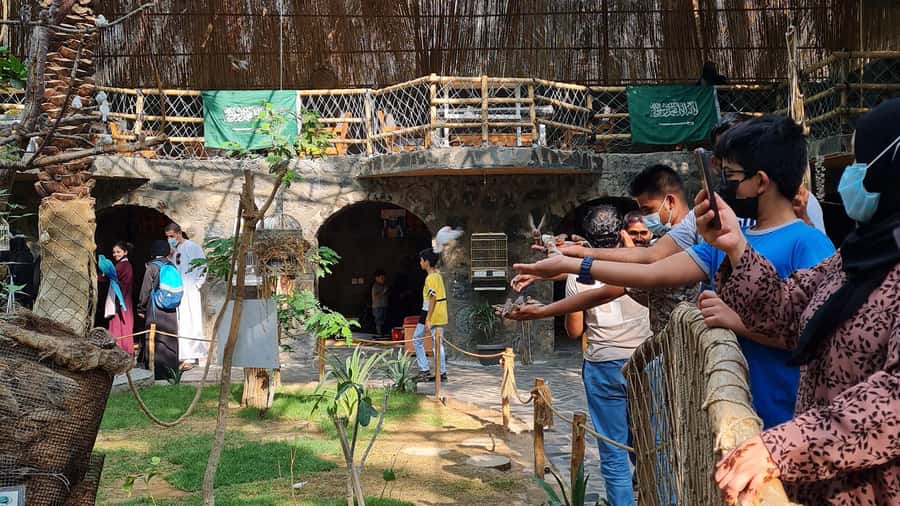
The next major section covers the Battle of the Trench, also called Ghazwa Khandaq. You visit Masjid Fatah, Masjid Salman Farsi, and the Saba Masajid, also known as the Seven Mosques. Masjid Fatha is included for Dua.
The names can be confusing because several labels refer to the same general location. If you hear Masjid Fatha, Saba Masajid, Seven Mosques, or Ghazwa Khandaq, you are still discussing the Khandaq area, not four unrelated parts of the city.
This is one reason a guide is useful. Without local context, it is easy to see a group of small mosques and miss the connection between them. Uzair explains the religious significance and leads Dua at Masjid Fatha, giving the stop a clear purpose beyond sightseeing.
The site may feel less visually dramatic than Mount Uhud. That is normal. Its value comes from the story attached to the ground and from understanding how the different mosque names fit together. Keep expectations realistic: this is a devotional and historical visit, not a museum-style attraction with displays at every corner.
Same desert, a completely different kind of day:
- Al Madinah: City Sightseeing Hop-On Hop-Off Bus Tour
★ 3.9 · 148 reviews - Medina Unveiled Private Tour
★ 5.0 · 100 reviews - From Madinah: Half-Day Ziarah Tour
★ 4.9 · 59 reviews - City Sightseeing Al Madinah Hop-On Hop-Off Bus Tour
★ 3.0 · 50 reviews
Qiblatain and the change in prayer direction
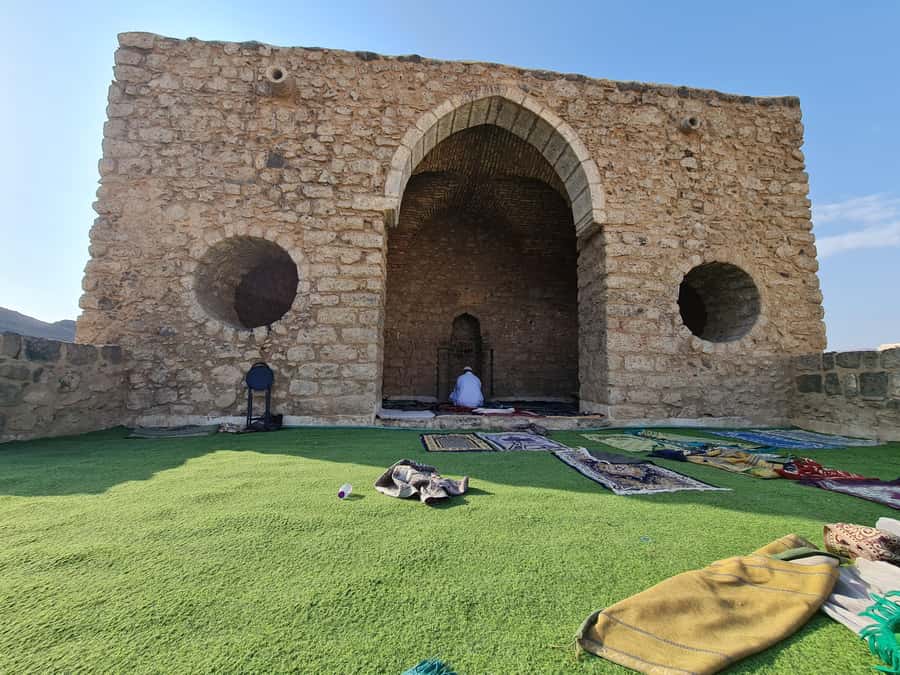
Masjid Qibalatain, or the Mosque of the Two Qiblas, is another important stop. The name points to its connection with the change in the direction of prayer. For many people, this is one of the most meaningful mosques on the route because the site links a major religious development with a place you can see in person.
The tour lets you place that event within Madinah rather than learning about it only from a book or lecture. Ask Uzair to explain the details in your preferred language, and allow time to enter or pray only if local access and timing permit it. The supplied information confirms a visit to the mosque, but it does not guarantee a particular interior access arrangement.
Masjid Jumah and the house of Atban Bin Malik
The itinerary continues to Masjid Jumah and the house of Atban Bin Malik, identified as the imam of Masjid Jumah. The house is viewed from outside, so you should not expect an indoor historical-house visit.
That small detail is worth noting because it keeps expectations clear. This is a stop for orientation and remembrance, not a preserved-home museum. The same applies to several other locations on the route, where the meaning lies in the association with early Muslim history rather than in formal exhibits.
For me, these quieter stops help balance the better-known battle sites. You get a sense of Madinah as a lived religious city, not only as a collection of major landmarks.
Praying at Masjid Quba
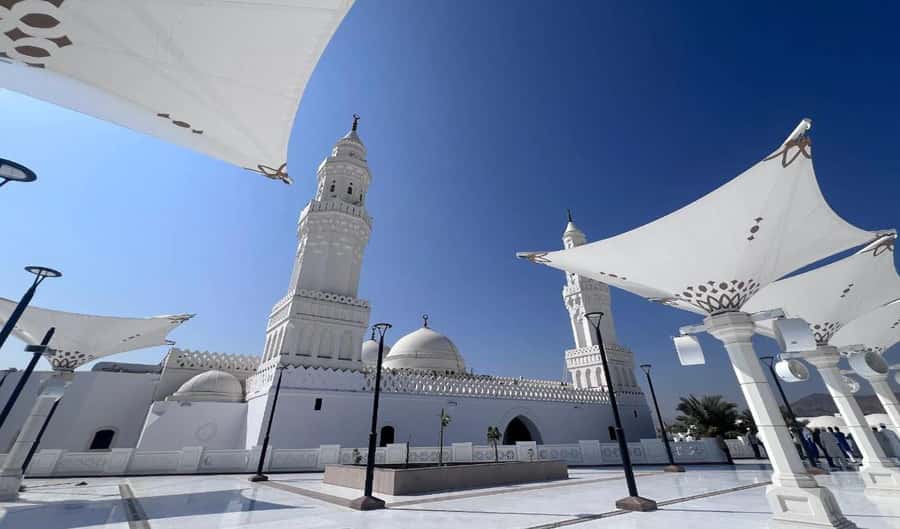
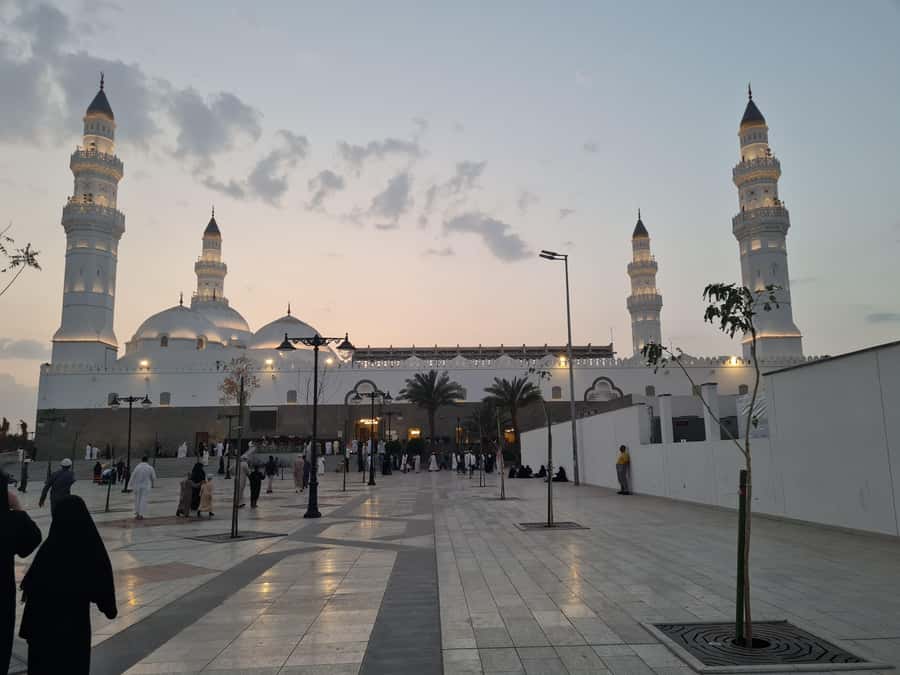
Masjid Quba is likely to be the spiritual high point of the outing. The tour includes a visit and encourages you to pray two Nafil there, described in the supplied information as equal to one Umrah.
Plan your visit with care. Wear suitable clothing, keep your movements respectful, and leave enough time for prayer rather than rushing in for a quick look. The experience is strongest when you treat Quba as a place of worship first and a sightseeing stop second.
The tour description does not specify how long you will have at the mosque. If prayer is a priority, tell Uzair early in the day. Families with older relatives should also think about the amount of walking and standing involved, since the tour is specifically listed as unsuitable for people over 70.
Beer Ghars, Beer Al Khatm, and the Salman Farsi Well
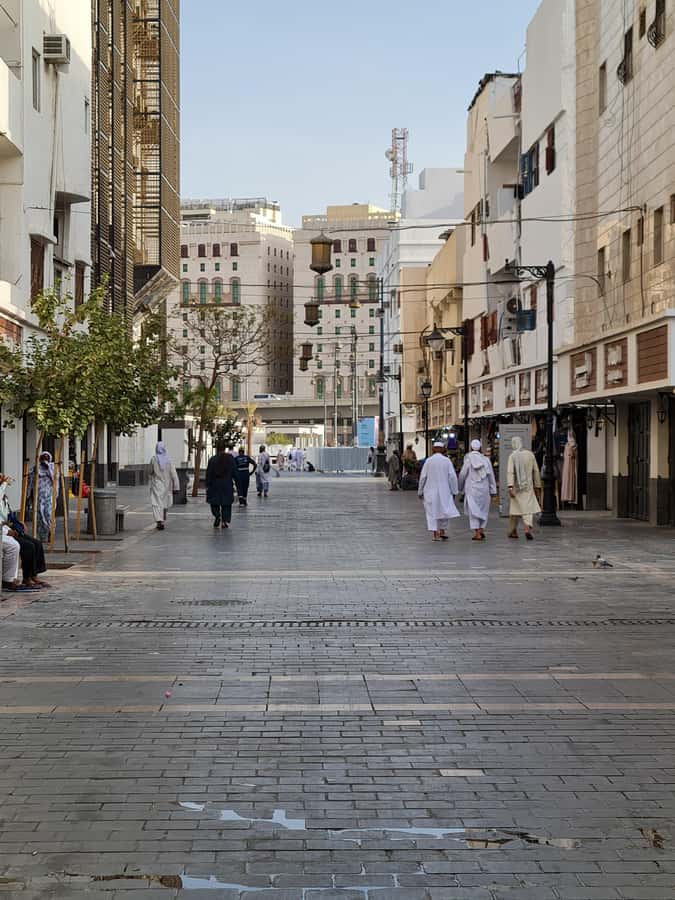
The route goes beyond mosques and battlefields to several wells. Beer Al Khatm is identified as the well where the ring fell, while Beer Ghars is described as a beloved well of Prophet Muhammad (SAW). You also visit the Salman Farsi Well and Farm.
These sites provide a different kind of experience. They are less about grand architecture and more about links to people, stories, and daily life in early Madinah. I like this part of the itinerary because it gives the day texture. You are not simply moving from one large mosque to another.
Do not count on drinking water at every well. Maintenance work may sometimes make water unavailable, so bring your own supply. The tour specifically lists water as something to carry, and the warning about well maintenance makes that advice especially important.
The Salman Farsi Well and Farm adds another personal connection to the route. Uzair can help explain the association and place it alongside the other sites. As with the house of Atban Bin Malik, the attraction is the religious and historical connection, not necessarily a polished visitor facility.
Museums and extra stops
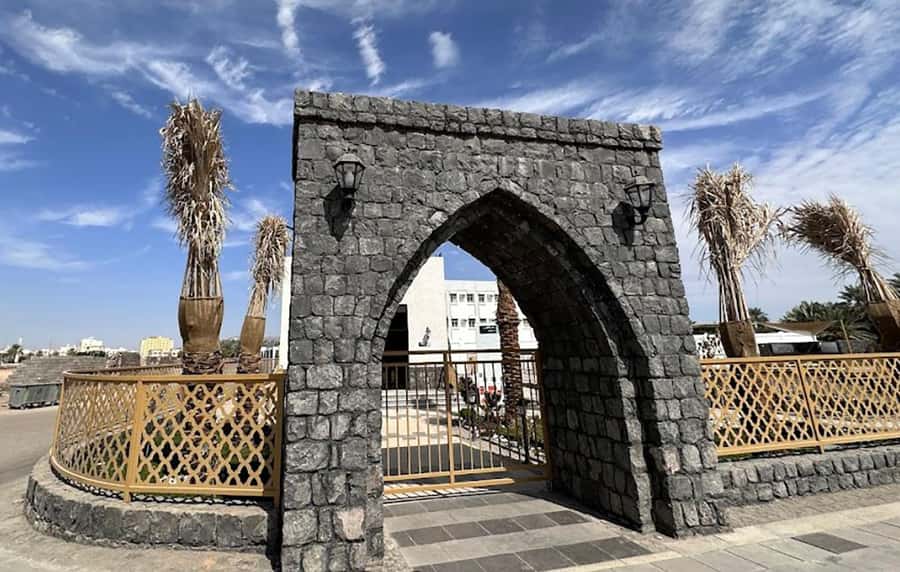
The route may also include the As Saffiyyah Museum and the International Fair and Museum. These add an indoor or exhibit-based element to a day that is otherwise mostly outdoor sites and mosques.
The supplied details do not provide opening hours, admission arrangements, or the exact time available at either museum. Ask Uzair or the operator about access on your chosen date, especially if these stops are important to you. Treat them as possible additions to the historical route rather than the central promise of the experience.
The guide may also explain areas beyond the core stops. That flexibility was specifically praised in the tour details, but you should still remember that the schedule is already full. Extra stops can be welcome, yet they may also make the day longer or reduce time elsewhere.
What the guide and vehicle add
Uzair is the main reason this tour feels more personal than a standard transfer. He provides explanations in clear English, coordinates pickup and drop-off, drives safely, and offers refreshments. He has also been praised for helping a guest’s father after an unfortunate incident and for showing patience while accompanying a mother and daughter.
Those details matter because religious sightseeing can involve older relatives, heat, walking, and moments when someone needs help. A kind guide cannot remove every difficulty, but he can make the day calmer and easier to manage.
The vehicle is described as clean, comfortable, and well equipped. Since the price covers four people, the setup works best for a family or small group that wants to stay together. If your party is larger, confirm the vehicle arrangement before paying, as the stated price applies only to groups up to four.
Refreshments are provided according to the tour details and personal accounts, but I would still carry your own water. Do not rely on refreshments replacing a proper supply for a long day outdoors.
Clothing, conduct, and practical preparation
Madinah is a holy city for Muslims, and the tour provides specific guidance for non-Muslim participants. You should cover your hair with a cloth or hijab where required. Women wearing shorts, tights, jeans with a T-shirt, or similar clothing are advised to wear an abaya. Men should wear decent clothing and avoid shorts.
Shorts, short skirts, see-through clothing, smoking, and alcohol in the vehicle are not allowed. These are simple rules, but following them protects the respectful tone of the outing and avoids awkward problems at religious sites.
Bring:
- Comfortable shoes for walking and standing
- A hat and sunscreen
- Water
- A camera, if you want photographs where permitted
- Clothing that meets the local dress guidance
The experience is listed as unsuitable for pregnant women and people over 70. That does not mean every older person will struggle, but it does signal that the day may involve heat, walking, and repeated stops. If mobility or stamina is a concern, ask for a precise route and transport plan before booking.
The tour is offered in Arabic, English, Hindi, Punjabi, and Urdu. Cancellation is allowed up to 24 hours in advance for a full refund, and you can reserve now and pay later, which helps if your Madinah plans may change.
Who gets the best value from the $99 price
I see the best value here for a private group of three or four people who want both transport and explanation. At that size, the cost is modest, and you avoid arranging separate rides between widely scattered sites.
It also suits first-time visitors who want an organized introduction to Madinah’s historical places. You can see the major battle areas, several mosques, and the wells in one day without spending your limited time working out directions.
The value is weaker if you want a slow, specialist visit to only one or two sites. The itinerary is broad, and the day includes many stops. You may prefer a shorter private arrangement if your main goal is extended prayer at Quba or quiet time at Uhud.
The tour is also not designed as a formal archaeological or museum program. Its strength is religious context, local transport, and personal guidance. If you want detailed academic history, confirm how much explanation you can expect and tell Uzair which subjects matter most to you.
Should you book this Madinah historical tour?
Book it if you want to connect Madinah’s major religious sites in one private outing and you value a guide who can explain, drive, and help your family along the way. The combination of Uhud, Khandaq, Qiblatain, Quba, the wells, and Masjid Jumah gives you a fuller picture than a simple mosque transfer.
I would be especially comfortable recommending it to small families, English-speaking groups, and anyone traveling with parents who may appreciate a clean vehicle, refreshments, careful driving, and a patient guide. Before booking, confirm the timing, walking demands, museum access, and which places will be viewed from outside.
If you prepare for the heat, dress correctly, carry water, and accept that some sites are simple rather than polished, the $99 group rate offers a useful and meaningful introduction to Madinah.
FAQ
How much does the tour cost?
The price is $99 for a group of up to four people.
Which languages are available?
The tour is available in Arabic, English, Hindi, Punjabi, and Urdu.
Does the tour visit Masjid Nabawi?
The route passes by Al Masjid an Nabawi. The tour information does not state that an arranged interior visit is included.
Which Battle of Uhud sites are included?
You visit the Battle of Uhud area, the graves of Hazrat Ameer Hamza, Musab Bin Umair, and other Shuhada, Masjid Shuhada, Mount Uhud, and Mount Rumah.
What is included at the Battle of the Trench?
The tour includes Ghazwa Khandaq, Masjid Fatah, Masjid Salman Farsi, and the Saba Masajid, also called the Seven Mosques. Dua at Masjid Fatha is included.
Does the tour visit Quba Mosque?
Yes. The tour includes Masjid Quba and encourages you to pray two Nafil there, described in the tour information as equal to one Umrah.
Are the house of Atban Bin Malik and Masjid Jumah included?
Yes. Masjid Jumah is included, and the house of Atban Bin Malik is viewed from outside.
What should I bring and wear?
Bring comfortable shoes, a hat, sunscreen, water, and a camera if desired. Shorts, short skirts, see-through clothing, smoking, and alcohol in the vehicle are not allowed. Women may need an abaya and hair covering, while men should wear decent clothing and avoid shorts.
Just added around Medina
- Half – Day Tour in Prophet Mohammed City★ 5.0 · 4 reviews
- 1 Hour Private Horse Riding in Madinah★ 4.0 · 5 reviews
- Medina Ziyarats ( Visit Holy Places)★ 4.2 · 4 reviews
- Prophet Biography Tour of Madinah★ 4.6 · 5 reviews
- Prophet’s Mosque Walking Tour with Historic Hejaz Railway★ 4.7 · 4 reviews
- Madinah Ziyarats (Private tour)★ 3.5 · 26 reviews
- 4WD Adventure in Uhud Mountain★ 4.5 · 29 reviews
- City Sightseeing Al Madinah Hop-On Hop-Off Bus Tour★ 3.0 · 50 reviews
Historical Tours, compared.
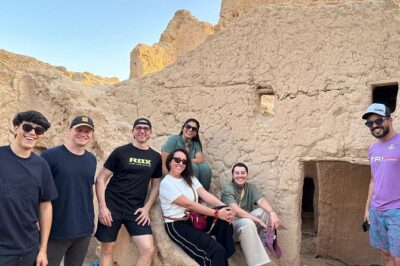
Red Sand Adventure 4×4 (Camel Ride ,Quad Biking, Heritage House)
Read our review →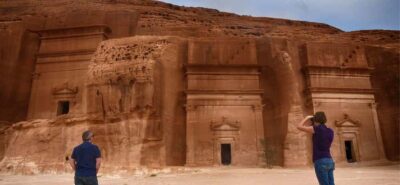
Visiting The Incredible Heritage Site Hegra in AlUla
Read our review →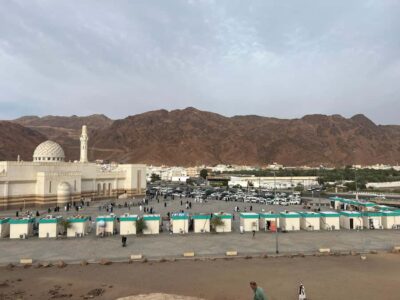
Historic District Tour in Jeddah by a Local Guide
Read our review →
Historical & Heritage Tour in Abha- Rijal Almaa Village
Read our review →
Private Tour in Historical Jeddah (ALBALAD) إكتشف جدة التاريخيه
Read our review →Browse the lists this tour appears in